Talween: A Vibrant Arabic Color Font for Modern Design
First Impressions: Playful, Precise, and Uniquely Textural
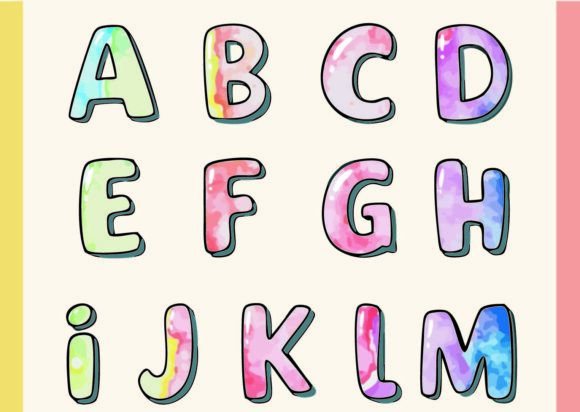
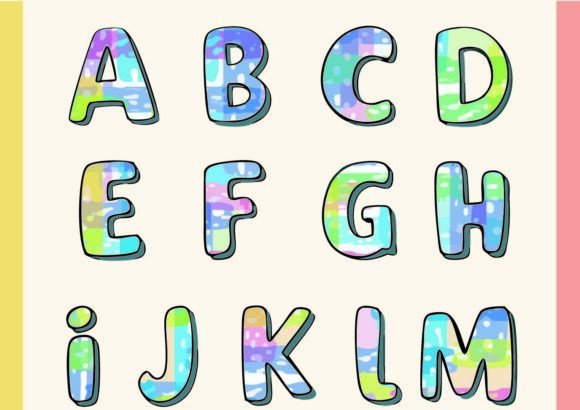
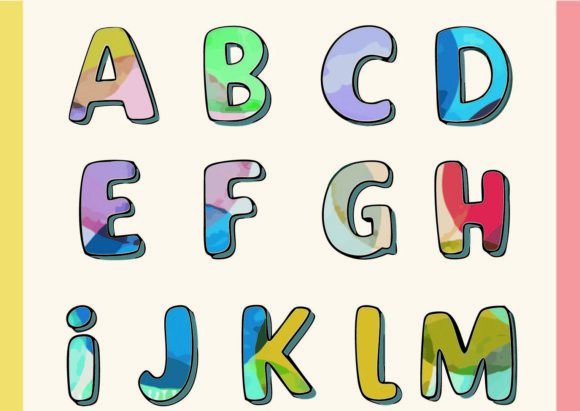
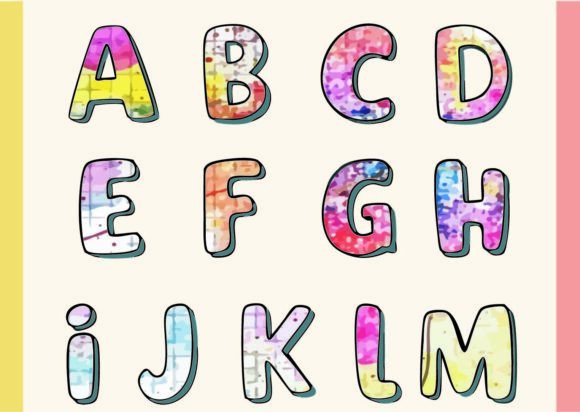
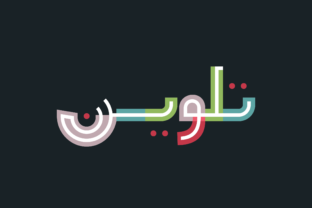
When I opened Talween in Illustrator for a client pitch—this time for a Cairo-based handmade ceramics brand launching a spring collection—I felt that rare spark of “this *fits*.” Talween isn’t just another Arabic display font. It’s a visual statement: thin, elegant letterforms layered with translucent geometric shapes in soft pastels and saturated primaries. The SVG-OpenType format means each glyph behaves like a miniature illustration—color-aware, scalable, and responsive to background tone. It reads as joyful but never childish; contemporary without sacrificing cultural resonance. For brands rooted in craft, storytelling, or regional authenticity, Talween instantly elevates mood while honoring linguistic nuance.
Where Talween Shines in Real Client Work
This font excels where personality and atmosphere matter more than neutrality. I used it across six key touchpoints for the ceramics project—and each time, it deepened the design’s emotional pull:
- Product labels & packaging design: Printed on matte kraft boxes, Talween’s translucent shapes created subtle halos around text, adding depth without ink bleed. Perfect for small-batch print-on-demand runs.
- Social media graphics: Instagram carousels and Pinterest pins gained instant visual rhythm. The color layers pop against neutral backdrops—ideal for Etsy product listings and digital ads targeting design-conscious buyers.
- Printable design & wall art: As part of a downloadable Arabic calligraphy bundle, Talween gave customers editable, vibrant options for home décor prints—no raster fallbacks needed thanks to native SVG support.
- Cricut project & sticker design: Exported cleanly as SVG, it cut flawlessly on vinyl. The geometric overlays translated beautifully into layered sticker sheets—great for crafters and small business branding kits.
- Brand identity accents: Not as primary logo type (more on that below), but as secondary treatment—on tote bags, mug wraps, and event invitations—it reinforced warmth and handcrafted energy without competing with the core mark.
- Canva template & web design: Embedded via variable font stack, it rendered crisply in hero banners and blog headers—especially effective when paired with minimalist sans-serif body copy for contrast and hierarchy.
Where to Use Talween Thoughtfully
Talween is expressive—not utilitarian. That’s its strength and its boundary. In client work, I avoid it for:
- Small sizes (under 24pt): translucency blurs, and thin strokes lose definition—especially in email headers or mobile app UI.
- Crowded layouts: place it alongside bold photography or dense pattern only if you anchor it with generous whitespace.
- Low-contrast backgrounds: test rigorously on light gray, beige, or textured substrates—some color layers fade or muddy without sufficient tonal separation.
- Minimalist or corporate branding: if your client’s voice is “quiet luxury” or “technical authority,” Talween’s vibrancy may undermine perceived trust or professionalism.
- Long-form editorial design: beautiful for pull quotes or section headers—but not for body text. Its decorative nature disrupts reading flow beyond short bursts.
Designer Notes You Can’t Skip Before Client Use
As a working graphic designer, I treat every color font like a custom illustration—not just typography. Here’s my pre-deployment checklist:
- Test in grayscale first: Does the underlying structure hold? With Talween, the thin stems and open counters remain legible—even without color—making it unusually resilient for accessibility previews.
- Check contrast on both light and dark modes: Some translucent layers behave differently on black vs. white. I preview in Figma’s dark mode toggle and export PNGs for client sign-off.
- Scale it live: Drop Talween into real product mockups—at 300% and 50%. On ceramic mugs and tote bag renders, the geometry scaled cleanly; on tiny sticker die-lines, I simplified layer count to preserve clarity.
- Verify file formats: Confirm your license includes SVG-OTF (for vector editing) and WOFF2 (for web use). Some marketplaces offer PNG-only variants—avoid those for commercial design assets requiring scalability.
- Compare contextually: Next to a classic Arabic Naskh, a clean sans-serif like Tajawal, and a hand-drawn script, Talween carved out its own niche: modern display with cultural grounding—not replacement, but reinforcement.
- Confirm commercial license scope: Talween is licensed for unlimited end products—including sublimation design, t-shirt design, and digital products sold on Etsy or Creative Market—but always re-read the terms for resale restrictions on editable templates.
Why Talween Belongs in Your Creative Toolkit
For designers serving handmade businesses, local events, seasonal campaigns, or bilingual audiences, Talween bridges aesthetic freshness with functional intelligence. It’s not a trend-chasing novelty—it’s a considered graphic design asset built for real-world constraints: print-ready vectors, web-safe rendering, and cultural authenticity. When your client needs their brand to feel both rooted and radiant, when your social media graphics need to stop scrollers mid-feed, or when your printable design bundle demands standout visual variety—Talween delivers texture, tone, and typographic distinction in one package. It won’t solve every brief, but in the right context, it transforms a good concept into a memorable, emotionally resonant experience.