Juniper: A Vibrant Color Fonts Solution for Local Branding
As a brand designer who’s helped over 70 local businesses refine their visual identity—from artisanal soap makers in Portland to family-run bakeries in Nashville—I recently evaluated Juniper for a real-world project: rebranding “Hearth & Petal,” a seasonal candle and botanical skincare studio serving farmers’ markets and boutique gift shops across the Midwest.
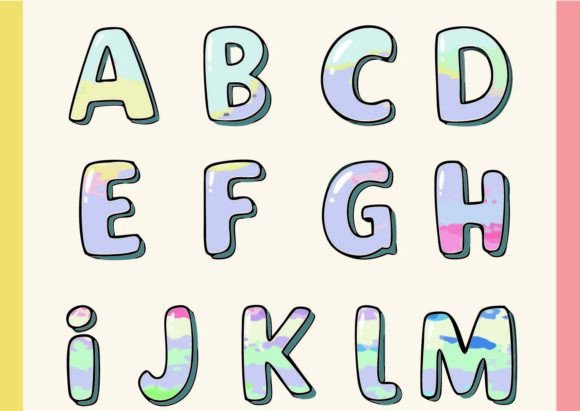
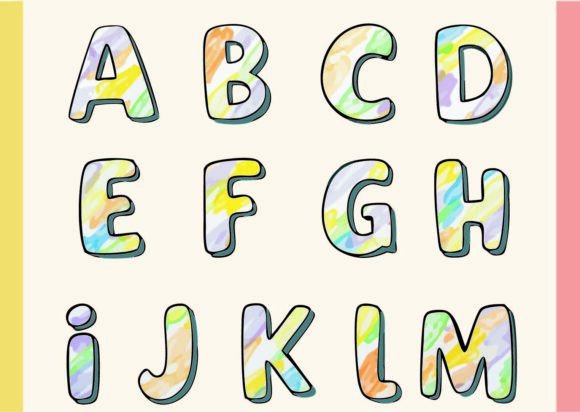
My first impression? Juniper feels like opening a box of hand-poured wax melts—warm, layered, and quietly joyful. It’s not just colorful; it’s chromatically intentional. Every glyph carries its own palette—soft sage greens bleeding into terracotta, muted ochres shifting into dusty rose—evoking organic craftsmanship without sacrificing modern polish. This isn’t a playful children’s font or a flashy tech display face. Juniper suggests warmth, care, and quiet confidence: ideal for food brands, handmade businesses, florists, apothecaries, and home goods studios seeking authenticity with visual distinction.
Where Juniper Elevates Real Local Business Design
In the Hearth & Petal project, we used Juniper selectively—not as body text, but as a graphic design asset that reinforces brand personality at key touchpoints:
- Product labels: Applied to front-label accents (e.g., “Lavender + Cedar” on soy wax jars), Juniper created instant shelf appeal—standing out among minimalist black-and-white competitors while feeling cohesive with their linen-textured packaging.
- Packaging design: Used in foil-stamped hang tags and belly bands, Juniper added tactile richness without needing extra print layers—its built-in color gradients translated beautifully to digital printing and spot-UV mockups.
- Social media graphics: For Instagram Reels announcing new seasonal scents, Juniper headlines paired with neutral photography created strong visual hierarchy—drawing attention in under two seconds, then guiding the eye to product benefits and call-to-action.
- Printable design assets: We embedded Juniper into Canva templates for farmers’ market flyers and thank-you cards—customers consistently commented on how “thoughtful” and “crafted” the typography felt, deepening emotional connection.
- Website banners & promotional ads: On their Shopify homepage, Juniper served as a decorative brand element above hero imagery—small, centered, and impactful—reinforcing premium positioning without overwhelming the user experience.
Why This Color Fonts Choice Strengthens Small Business Branding
For local business owners, consistency is credibility. Juniper supports that in tangible ways:
- Stronger first impression: On crowded shelves or fast-scrolling feeds, Juniper’s chromatic nuance signals care and intentionality—immediately differentiating handmade business from mass-produced alternatives.
- Better product recognition: When repeated across labels, stickers, and social posts, its unique color logic becomes a subtle signature—like a visual fingerprint customers begin to associate with quality and seasonality.
- More consistent brand identity: Because every glyph behaves predictably (no manual recoloring needed), Juniper reduces design drift across team members, freelancers, or print vendors—critical for small business branding where resources are lean.
- Improved customer trust: Thoughtful typography signals investment in craft. Customers intuitively read Juniper’s depth as alignment with their values—sustainability, transparency, and human-centered making.
Best Uses: Where Juniper Shines Most
Juniper excels where visual emotion matters more than dense information:
- Product labels (especially front-of-pack accents)
- Packaging accents: belly bands, sticker seals, ribbon tags
- Hero graphics for seasonal campaigns (e.g., “Summer Solstice Collection”)
- Decorative brand elements: website headers, email newsletter banners
- Social media campaign graphics and story highlights
- Thank-you cards, printable inserts, and boutique shopping bags
- Product mockups for Etsy, Instagram Shop, or wholesale pitch decks
Careful Use Zones: Practical Boundaries for Professional Branding
Juniper is powerful—but not universal. In our testing, it underperformed in these contexts:
- Formal corporate branding: Too expressive for law firms, accounting services, or B2B industrial suppliers.
- Very small labels: Below 10pt, color separation and path complexity caused legibility loss—always test on actual-size mockups.
- Crowded packaging layouts: When paired with ingredient lists, certifications, or regulatory text, Juniper competed instead of complemented.
- Luxury minimalist brands: Its vibrancy clashes with monochrome palettes or ultra-sleek serif systems (e.g., Didot + Juniper feels dissonant).
- Low-contrast backgrounds: On soft beige or light gray, some glyphs lost definition—verify against your exact brand background colors.
Brand Designer Notes: What You Must Test Before Launch
Before committing Juniper to client work or physical product sales, run these checks:
- Preview it on real packaging mockups—at actual size, under retail lighting, and on matte vs. glossy stock.
- Test black-and-white conversion: does the glyph structure hold up if printed in grayscale (e.g., for legal disclaimers)?
- Verify commercial license coverage—especially for physical product sales, wholesale distribution, and white-labeled packaging.
- Compare it beside your existing serif, sans serif, and script fonts—does it harmonize or create unintended tension?
- Check SVG/vector editability: can you isolate paths for foil stamping or embroidery adaptation?
- Review PNG transparency handling—crucial for social media graphics layered over photos.
- Assess print quality across vendors: some RIP software misinterprets color font layers, causing banding or missing hues.
- Compare against competitor packaging—does Juniper help you stand out, or unintentionally echo another local brand?
Juniper isn’t just another font—it’s a design asset that bridges editorial design, packaging design, and digital marketing visuals. For small business branding rooted in authenticity, texture, and local resonance, it delivers measurable value: stronger shelf presence, faster recognition, and deeper emotional alignment with customers who choose handmade, seasonal, and intentional.
If you’re building a brand that tells a story before a single word is read—Juniper gives that story color, dimension, and quiet confidence.